
NutriCulture RPMI 1640
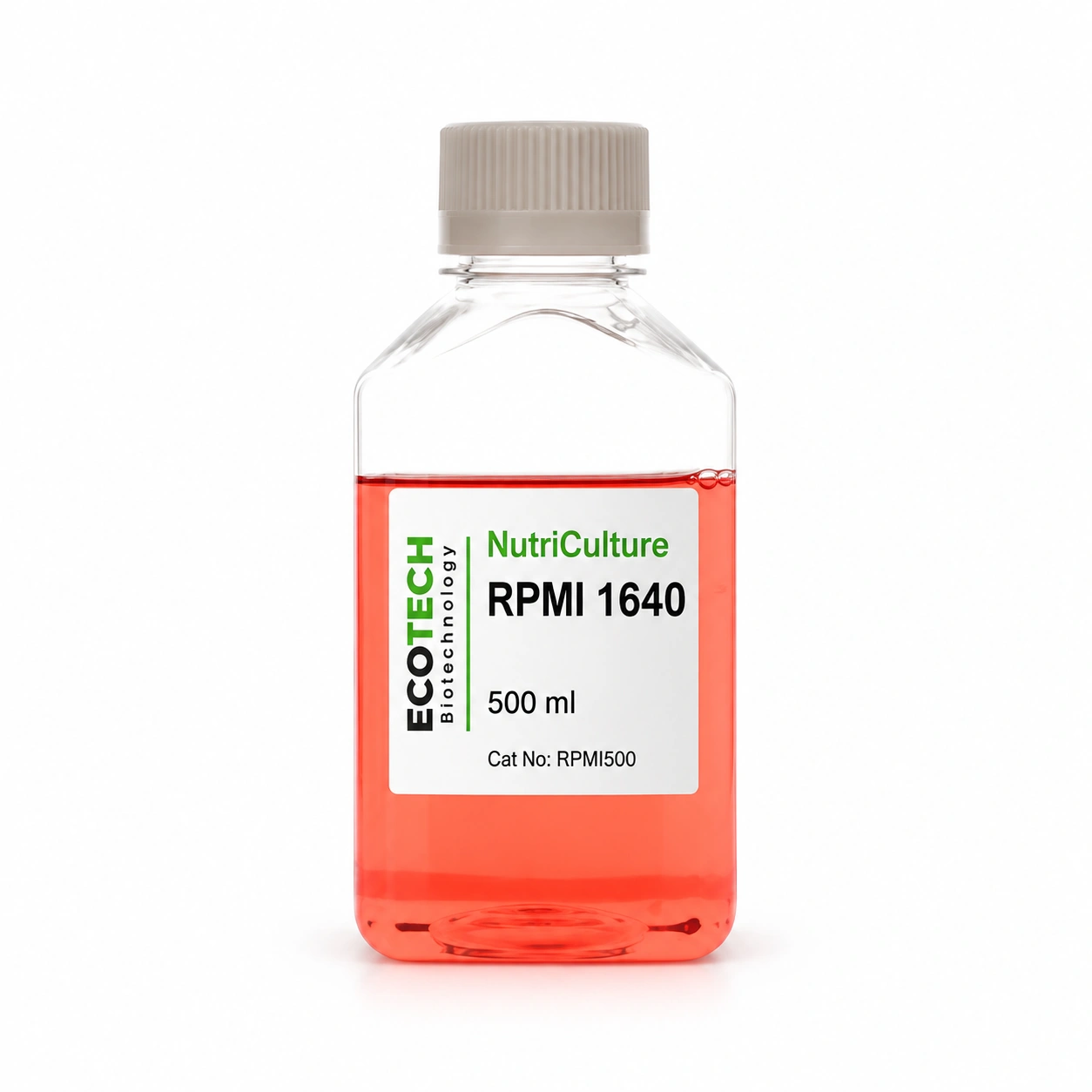
NutriCulture RPMI 1640, also known as RPMI Medium, was originally developed by Moore and his co-workers in 1966 Roswell Park Memorial Institute to culture human leukemia cells in suspension and monolayer. NutriCulture RPMI 1640 Medium was formulated for use in a 5% carbon dioxide atmosphere and has since been found suitable for culture of a variety of mammalian cells, including HeLa, Jurkat, MCF-7, PC12, PBMC, astrocytes, and carcinomas. NutriCulture RPMI 1640 has also traditionally been used for the serum-free expansion of human lymphoid cells for karyotype analysis. Each lot of NutriCulture RPMI 1640 is prepared from powdered base medium, tissue culture-grade water, and is sterile filtered using a 0.1 micron filter. Each lot of NutriCulture RPMI 1640 is tested to confirm the absence of bacterial, fungal, and mycoplasmal contamination.
Overview
- Catalog number
- RPMI500
- Pack size
- 500 ml
- Shipping
- Ship at ambient temperature
- Storage
- Store between 2°C and 8°C.
NutriCulture RPMI 1640, also known as RPMI Medium, was originally developed by Moore and his co-workers in 1966 Roswell Park Memorial Institute to culture human leukemia cells in suspension and monolayer. NutriCulture RPMI 1640 Medium was formulated for use in a 5% carbon dioxide atmosphere and has since been found suitable for culture of a variety of mammalian cells, including HeLa, Jurkat, MCF-7, PC12, PBMC, astrocytes, and carcinomas. NutriCulture RPMI 1640 has also traditionally been used for the serum-free expansion of human lymphoid cells for karyotype analysis. Each lot of NutriCulture RPMI 1640 is prepared from powdered base medium, tissue culture-grade water, and is sterile filtered using a 0.1 micron filter. Each lot of NutriCulture RPMI 1640 is tested to confirm the absence of bacterial, fungal, and mycoplasmal contamination.
Documents
Find a Certificate of AnalysisProduct has been cited by 22 publications
- Arch Pharm (2026) DOI: 10.1002/ardp.70291 View publication
- International Journal of Molecular Sciences (2026)10.3390/ijms27114657 View publication
- SSRN (2026) DOI: 10.2139/ssrn.6170082 View publication
- Biotechnol Lett (2026) DOI: 10.1007/s10529-026-03688-7 View publication
- Mol Genet Genomics (2026) DOI: 10.1007/s00438-026-02357-8 View publication
- Naunyn-Schmiedeberg's Arch Pharmacol (2026) DOI: 10.1007/s00210-026-05013-5 View publication
- Journal of Applied Toxicology (2026) DOI: 10.1002/jat.4955 View publication
- Journal of Heterocyclic Chemistry (2026) DOI: 10.1002/jhet.70121 View publication
- Medicina (2025) DOI: 10.3390/medicina61091600 View publication
- Research Square (2025) DOI: 10.21203/rs.3.rs-5767315/v1 View publication
- International Journal of Secondary Metabolite (2025) DOI: 10.21448/ijsm.1553575 View publication
- Turkish Journal of Biochemistry (2024) DOI: 10.1515/tjb-2024-0122 View publication
- Biological Trace Element Research (2024) DOI: 10.1007/s12011-024-04425-9 View publication
- Head & Neck (2024) DOI: 10.1002/hed.27803 View publication
- European Journal of Pharmacology (2024) DOI: 10.1016/j.ejphar.2024.176592 View publication
- Biological Trace Element Research (2024) DOI: 10.1007/s12011-024-04090-y View publication
- Journal of Biomolecular Structure and Dynamics (2024) DOI: 10.1080/07391102.2023.2253906 View publication
- Cell biology international (2023) DOI: 10.1002/cbin.12085 View publication
- Chemistry & Biodiversity (2023) DOI: 10.1002/cbdv.202200886 View publication
- Turkish Journal of Biochemistry (2023) DOI: 10.1515/tjb-2023-0042 View publication
- Journal of Heterocyclic Chemistry (2023) DOI: 10.1002/jhet.4643 View publication
- Journal of the Iranian Chemical Society (2022) DOI: 10.1007/s13738-022-02656-y View publication
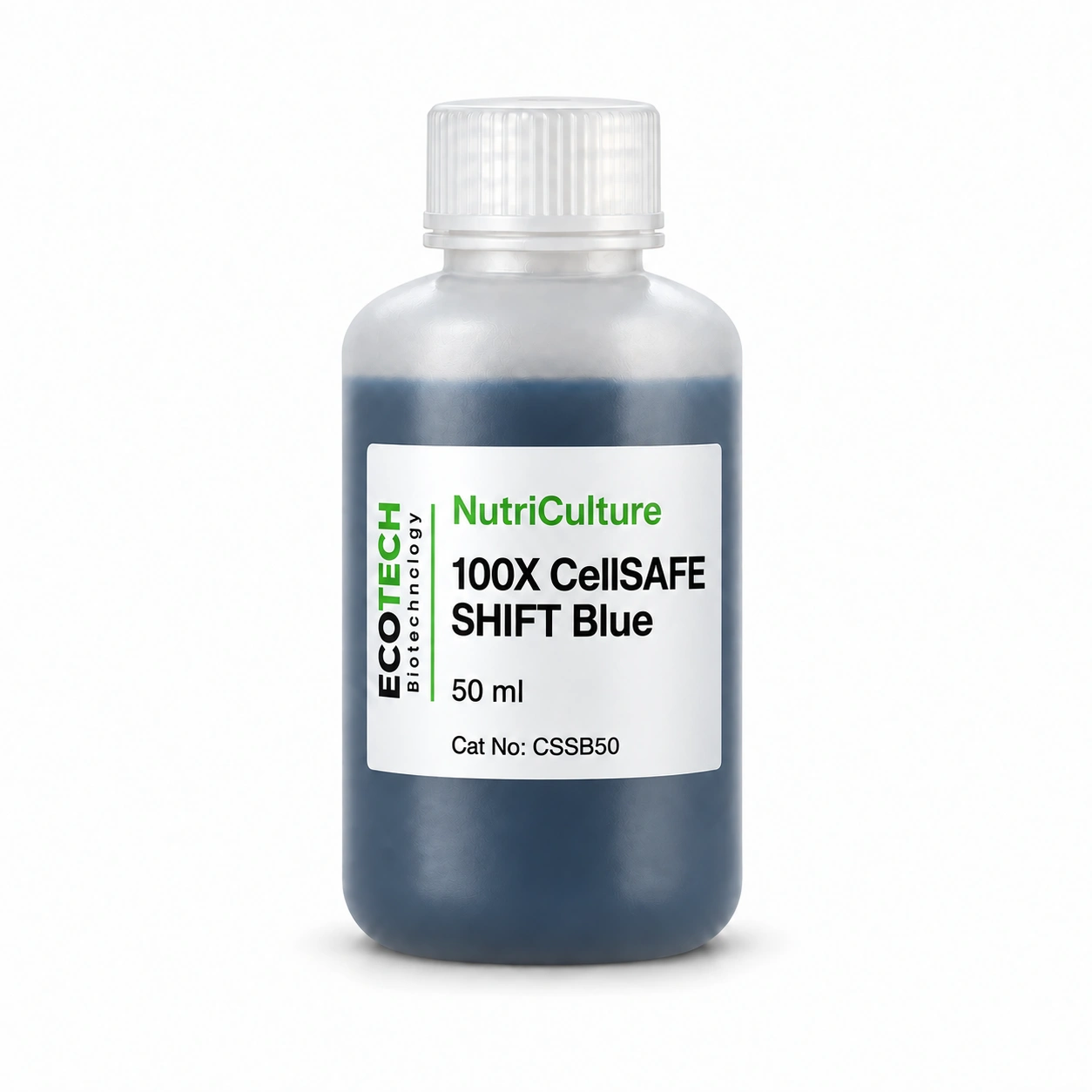 Cell CultureNutriCulture 100X CellSAFE SHIFT Blue
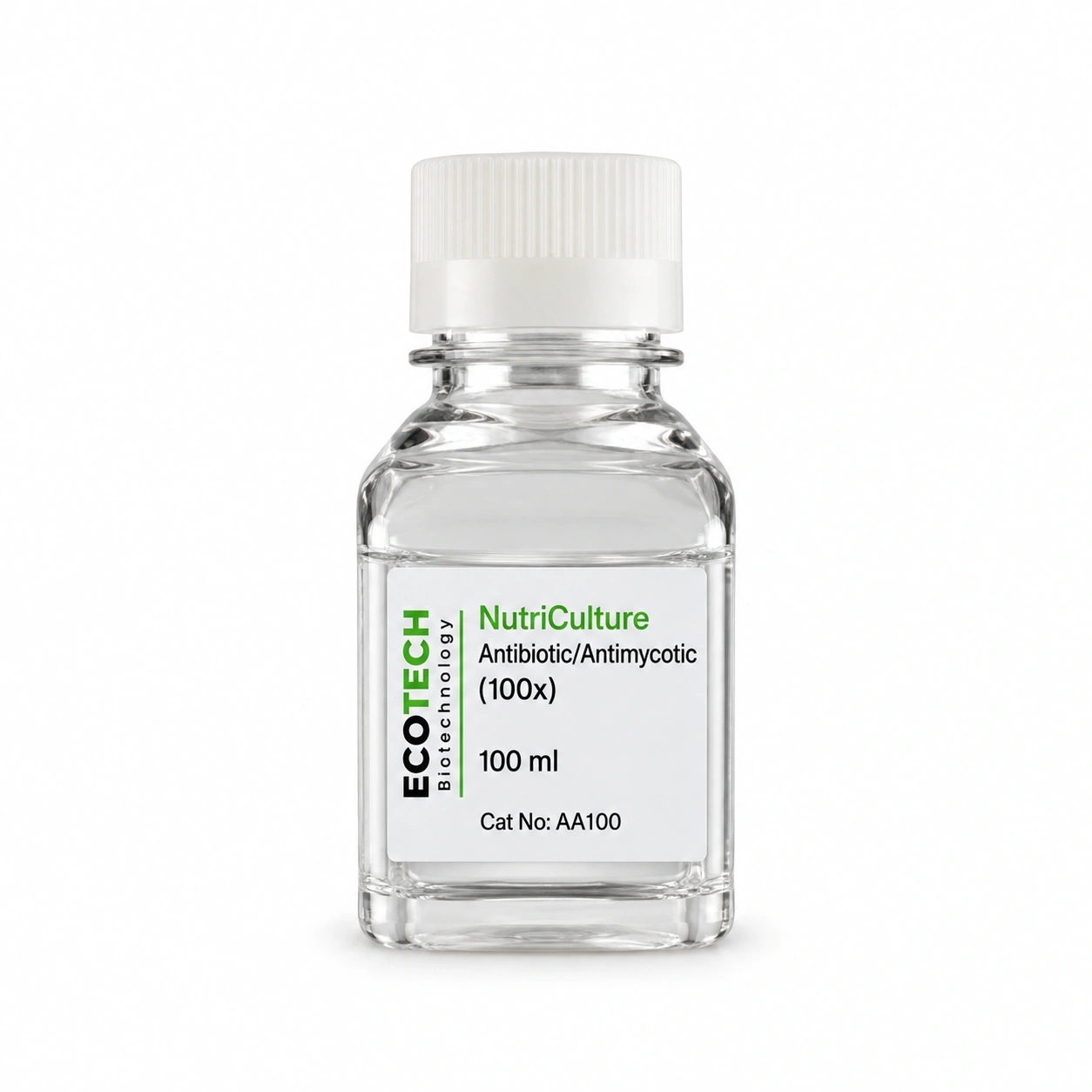 Cell CultureNutriCulture Antibiotic/Antimycotic (100x)
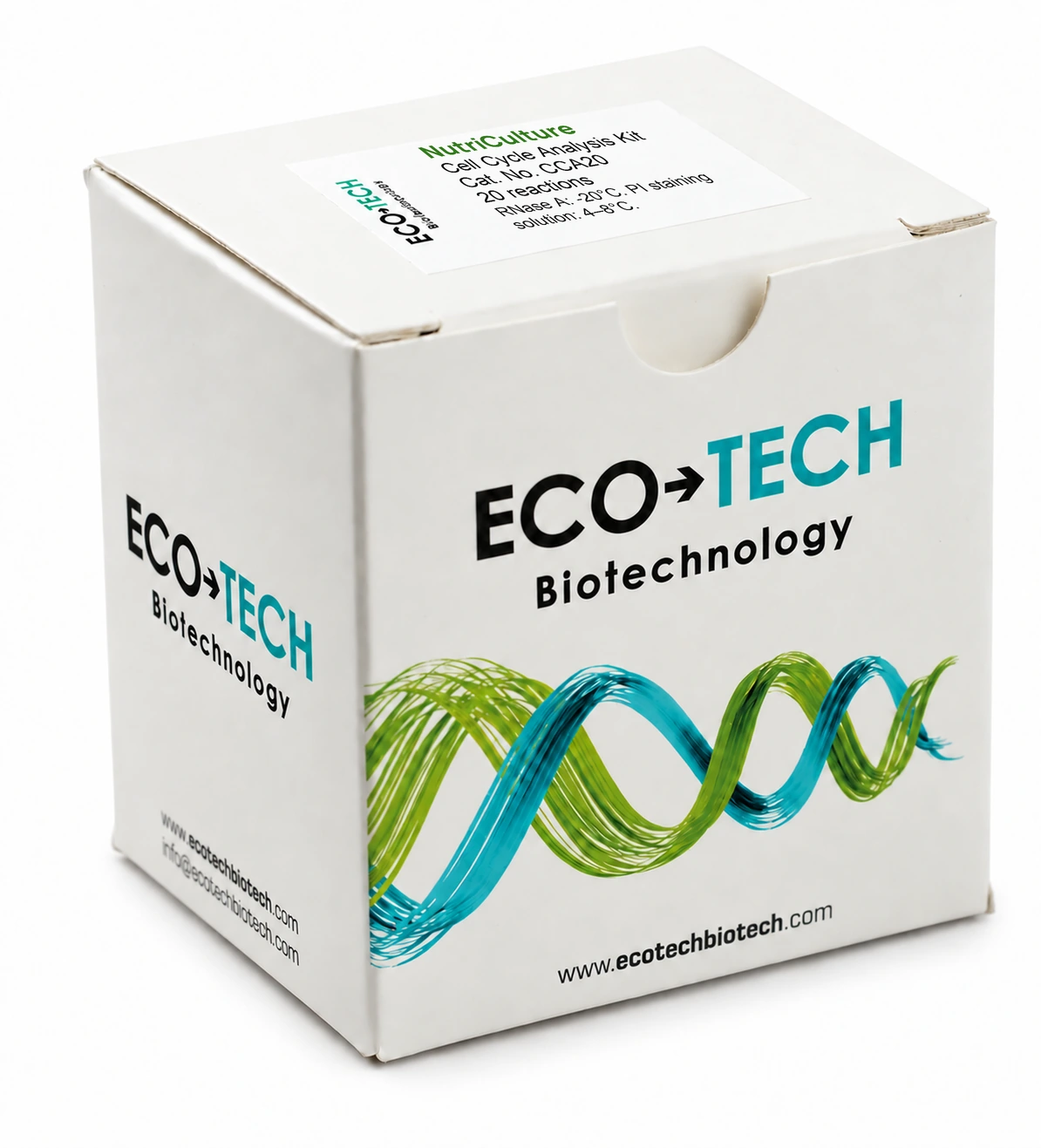 Cell CultureNutriCulture Cell Cycle Analysis Kit
 Cell CultureNutriCulture Cell Viability Detection Kit-8